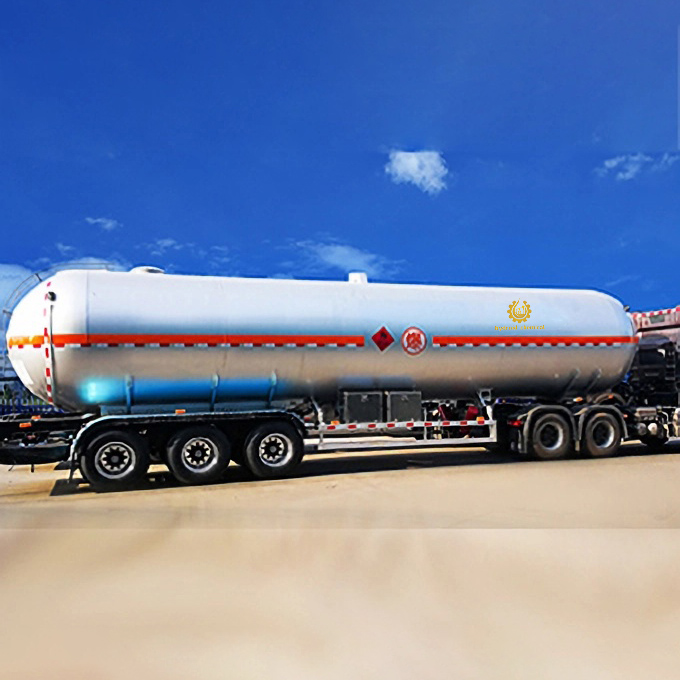
**Limitations of Natural Gas Pose Challenges Amid Growing Energy Demands**As the global energy landscape continues to evolve, natural gas remains a critical component of many countries’ energy mix. Renowned for its relatively cleaner profile compared to coal and oil, natural gas has been championed as a bridge fuel towards a more sustainable energy future. However, despite its advantages, natural gas faces significant limitations that could restrict its role in achieving long-term energy and environmental goals.**Key Limitations of Natural Gas**1. **Environmental Impact and Methane Emissions**While natural gas combustion emits less carbon dioxide than coal and oil, it is not without environmental concerns. Methane, the primary component of natural gas, is a potent greenhouse gas—approximately 28 to 36 times more effective than CO2 over 100 years. Leaks during extraction, transportation, and storage can offset the carbon advantage of natural gas. Studies suggest that methane emissions from the natural gas supply chain may be higher than previously estimated, contributing significantly to global warming.2. **Finite Resource and Supply Constraints**Despite being abundant in some regions, natural gas is a finite fossil fuel. Its reserves are subject to geopolitical risks, fluctuating production levels, and market dynamics. In some countries, aging infrastructure and limited domestic reserves lead to increased dependence on imports, which can affect energy security and price stability. The uneven distribution of natural gas reserves worldwide also complicates global energy cooperation and planning.3. **Infrastructure Challenges**The transportation and storage of natural gas require extensive infrastructure such as pipelines, liquefied natural gas (LNG) terminals, and compressor stations. Developing and maintaining this infrastructure involves substantial investment and long lead times. In many regions, aging pipelines pose safety risks and operational inefficiencies. Additionally, expanding natural gas infrastructure can lock in fossil fuel dependence for decades, delaying investment in renewable technologies.4. **Volatility in Pricing and Market Dynamics**Natural gas prices can be highly volatile due to factors such as weather conditions, geopolitical tensions, and supply-demand imbalances. Such price fluctuations can impact economies, particularly those heavily reliant on natural gas for electricity generation and industrial use. Sudden spikes in prices can lead to increased costs for consumers and industries, undermining economic stability.5. **Competition from Renewable Energy Sources**As renewable energy technologies such as solar, wind, and storage solutions continue to improve in cost and efficiency, natural gas faces stiff competition. Countries are increasingly adopting policies to phase out fossil fuels and invest in clean energy alternatives. Natural gas, while positioned as a transition fuel, risks becoming sidelined if renewable penetration accelerates faster than anticipated.6. **Long-Term Sustainability Concerns**To meet international climate targets such as those outlined in the Paris Agreement, significant reductions in greenhouse gas emissions are required. Reliance on natural gas, even as a bridge fuel, may not be compatible with achieving net-zero emissions by mid-century. Strategies that prioritize renewable energy and energy efficiency measures are essential to long-term sustainability.**The Role of Energy Companies Amidst These Challenges**Energy companies operating in the natural gas sector are increasingly aware of these limitations and are adapting strategies accordingly. Many are investing in technologies to detect and reduce methane emissions, improve infrastructure resilience, and explore carbon capture and storage (CCS) to mitigate the environmental impact of natural gas use.Furthermore, companies are diversifying their portfolios to include renewable energy projects, hydrogen production, and energy efficiency solutions. This diversification aims to future-proof their operations against the declining role of fossil fuels and align with global decarbonization trends.**Conclusion**Natural gas will continue to play a role in the global energy transition, particularly in supporting grid stability and replacing more polluting fuels in the near term. However, its limitations—ranging from environmental impacts to infrastructural and market challenges—underscore the need for a balanced and forward-looking energy strategy.Policymakers, industry leaders, and stakeholders must work collaboratively to address these challenges by promoting innovation, strengthening regulations to curb methane emissions, and accelerating the deployment of renewable energy technologies. Only through such concerted efforts can the energy sector navigate the complexities of today’s climate and economic realities while advancing toward a sustainable energy future.---*This article highlights the inherent limitations of natural gas as an energy source without referencing specific company names, providing an objective overview suitable for readers interested in understanding the challenges facing natural gas in the current energy landscape.*
Read More